This Zanzibar Resort Is Known for Its Protected Coral Reef, Eco-Bungalows, and Guided Snorkeling Tours — But Is It Worth Visiting?
Most travelers visiting Zanzibar dream about white-sand beaches, luxury resorts, and turquoise water. But what if the most unforgettable island experience near…
Most travelers visiting Zanzibar dream about white-sand beaches, luxury resorts, and turquoise water.
But what if the most unforgettable island experience near Zanzibar isn’t a luxury resort at all?
In fact, what if the best place to see vibrant coral reefs, untouched beaches, and rare wildlife is a tiny private island focused entirely on conservation?
That’s where things get interesting.
Just a short boat ride from Zanzibar sits an island that protects one of the most pristine coral reefs in East Africa.
But here’s the catch…
Most travelers have never even heard of it.
The Hidden Island Revealed
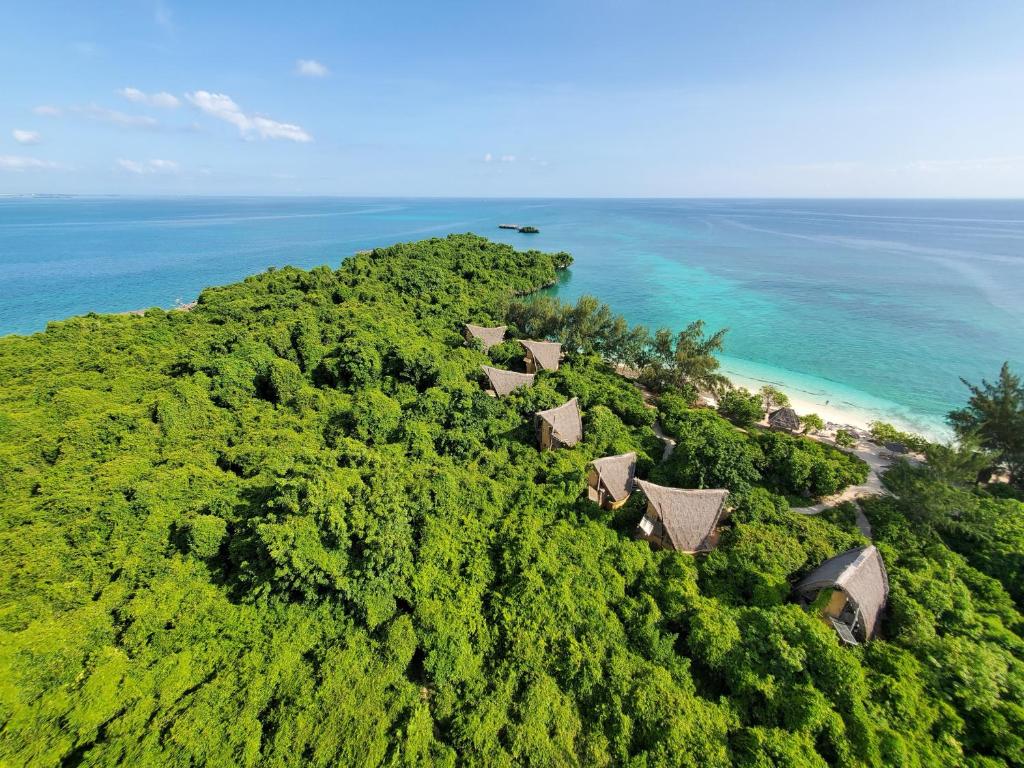
That hidden island is Chumbe Island Coral Park, a private eco-island sanctuary located off the coast of Zanzibar in Tanzania.
Unlike traditional resorts, this island was created to protect marine life, coral reefs, and forest ecosystems while allowing visitors to experience nature responsibly.
And surprisingly…
It might be one of the most unique eco-resorts in the world.
But what makes this island so special?
Let’s take a closer look.

Where Is Chumbe Island, Coral Park?
Chumbe Island Coral Park sits about 8 miles (13 km) southwest of Stone Town, the historic capital of Zanzibar.
The island is small.
Very small.
It measures only about 0.28 square miles, yet it protects an incredible amount of biodiversity.
And here’s what makes it different.
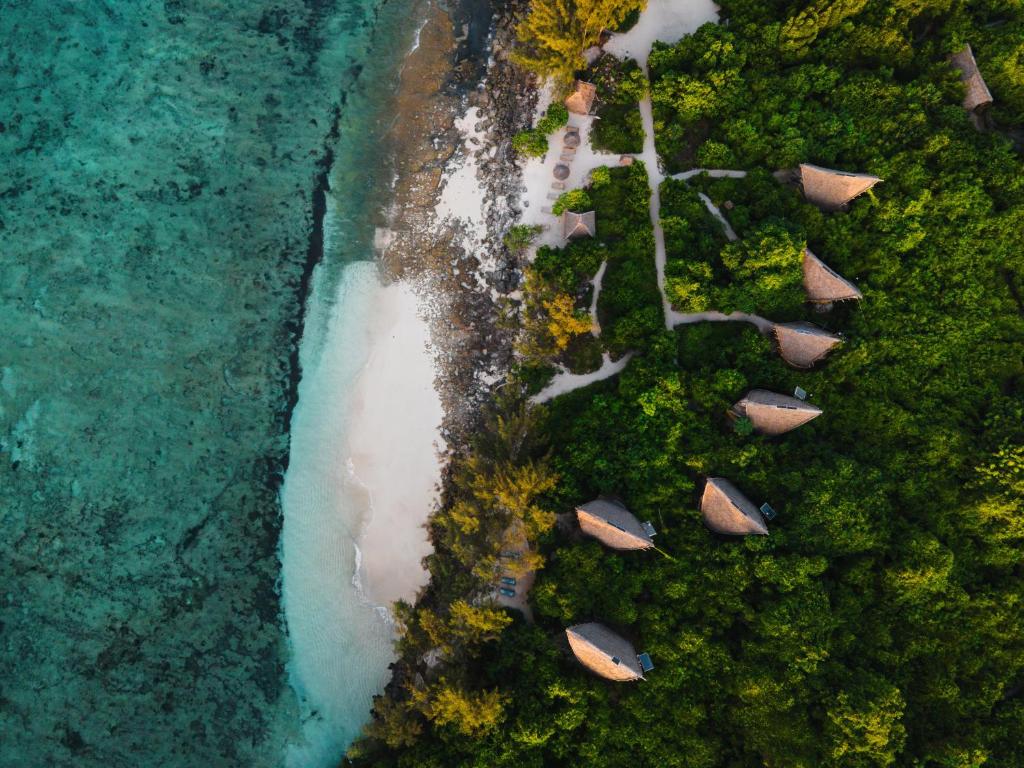
The entire island is designated as a private marine protected area.
That means the surrounding waters and coral reefs are fully protected from fishing and damaging tourism.
Why does this matter?
Because many coral reefs around the world are slowly disappearing.
But here?
The reef is thriving.
Question
So how did this tiny island become one of the most successful marine conservation projects in Africa?
The story behind it is fascinating.
The Story Behind Chumbe Island Coral Park
Chumbe Island Coral Park was established in 1994 by German conservationist Sibylle Riedmiller.
Her vision was simple.
Protect the coral reef.
Protect the forest.
And show that tourism can actually support conservation rather than harm it.
But here’s the surprising part.
The island receives no government funding.
Instead, the entire conservation effort is funded through eco-tourism and visitor stays.
Every guest who visits helps support:
• Marine conservation
• Reef protection
• Environmental education
• Local community programs
And the results have been incredible.
Today, the island protects:
• More than 400 species of fish
• Over 200 coral species
• Rare forest wildlife
• Endangered coconut crabs
That’s a lot of biodiversity for such a tiny island.
But the reef is where things get truly impressive.
The Coral Reef Sanctuary
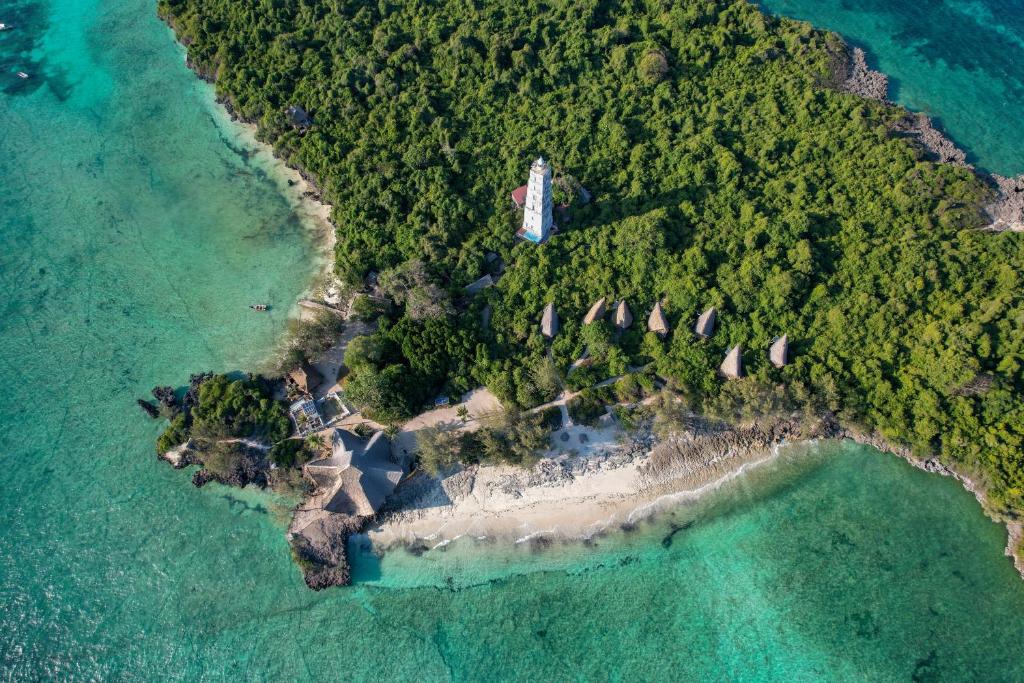
The reef surrounding Chumbe Island is considered one of the most pristine coral reef ecosystems in East Africa.
And there’s a big reason why.
Fishing has been completely banned in the sanctuary since the park was created.
As a result, marine life has flourished.
Snorkelers regularly spot:
• Parrotfish
• Angelfish
• Butterflyfish
• Moray eels
• Octopus
• Reef sharks
And the coral formations?
They’re spectacular.
Colorful coral gardens stretch across the reef, creating an underwater landscape that feels almost untouched.
But here’s the best part.
You don’t need to be a diver to see it.
Question
So what is snorkeling on Chumbe Island actually like?
And is it really as good as people say?
Let’s dive in.
Snorkeling at Chumbe Island
Snorkeling is the main attraction at Chumbe Island Coral Park.
And for good reason.
The reef begins just offshore, making it easily accessible even for beginners.
But there’s one important difference from typical snorkeling tours.
All reef visits are guided by trained park rangers.
Why?
Because the goal is not just to see marine life.
It’s also to protect it.
During guided reef tours, visitors learn about:
• Coral ecosystems
• Reef conservation
• Marine biodiversity
• Responsible snorkeling practices
And the experience is unforgettable.
Visibility often reaches over 80 feet, allowing snorkelers to see vibrant coral formations and schools of fish in stunning clarity.
But snorkeling isn’t the only reason people visit this island.
The eco-resort itself is unlike anything else in Zanzibar.
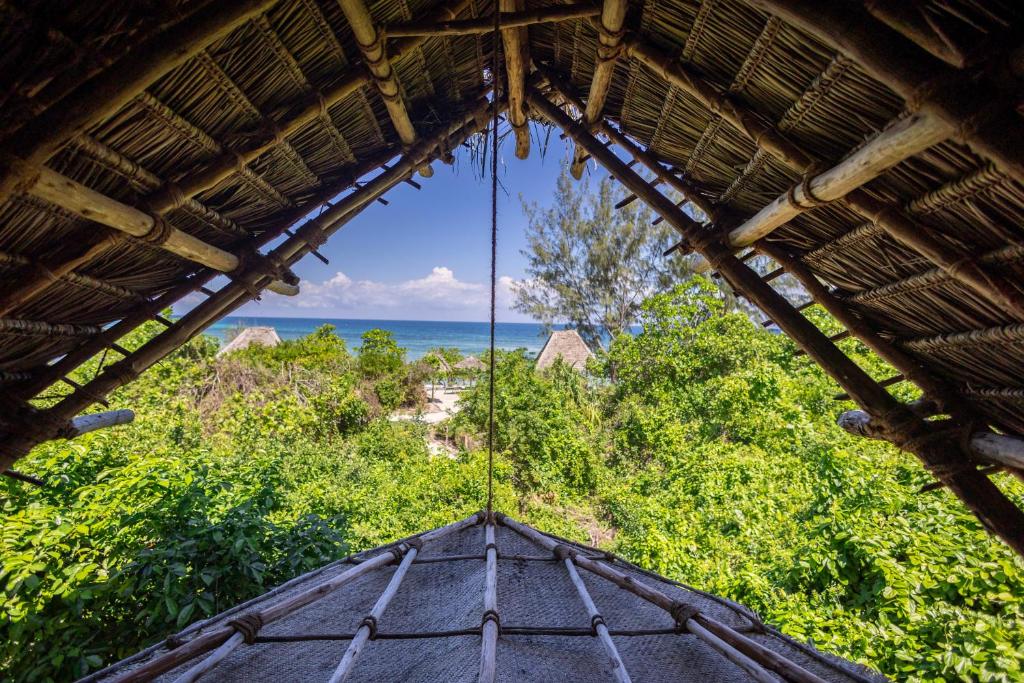
The Eco-Bungalows: Sustainable Island Living
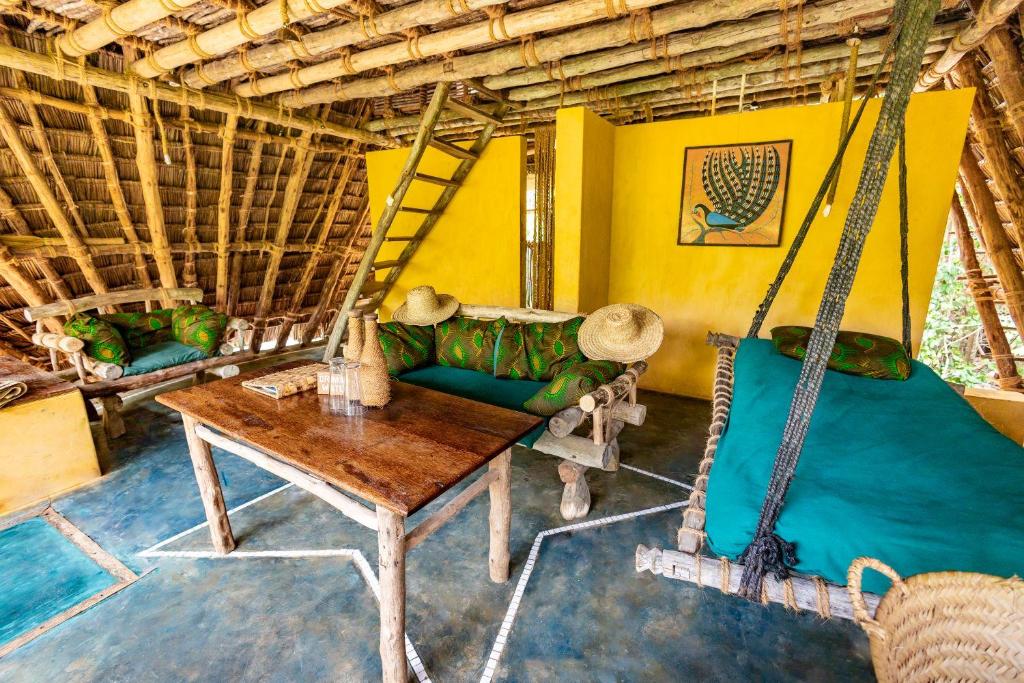
Unlike large resorts with hundreds of rooms, Chumbe Island keeps things intentionally small.
Very small.
There are only seven eco-bungalows on the entire island.
That’s it.
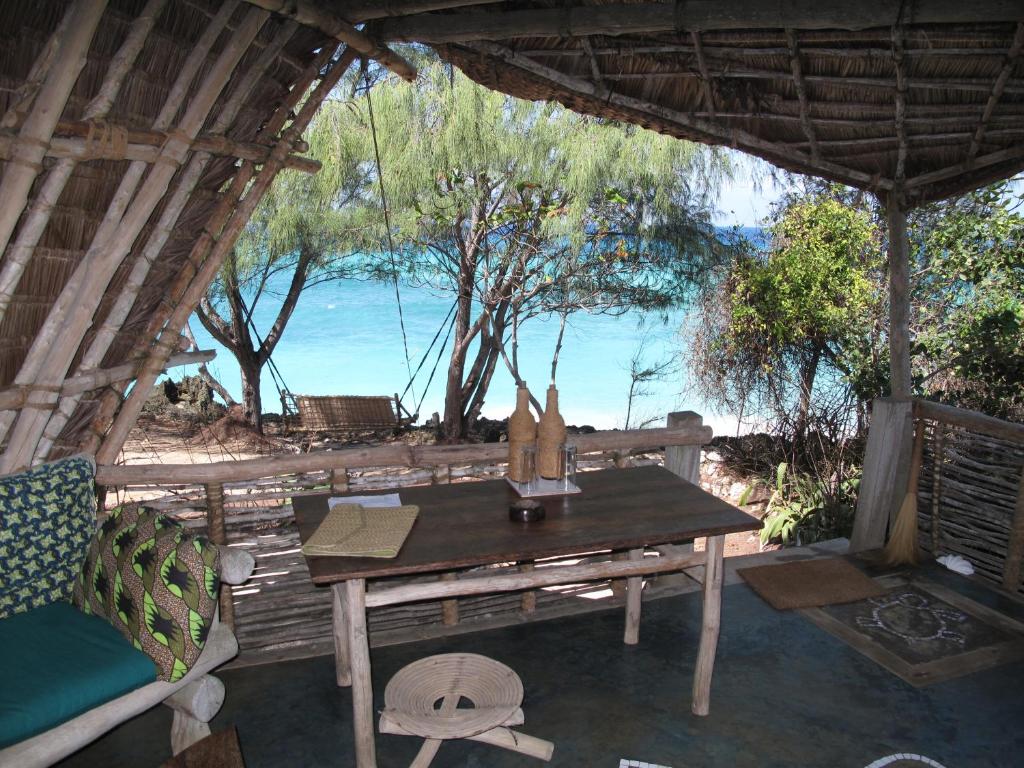
Each bungalow is designed to blend seamlessly into the natural environment.
But here’s what makes them fascinating.
They are built using sustainable architecture designed specifically for the island’s climate.
Features include:
• Rainwater catchment systems
• Solar energy power
• Composting toilets
• Natural ventilation designs
• Local building materials
And despite being eco-friendly, they are surprisingly comfortable.
Each bungalow includes:
• Private beach access
• Large open living spaces
• Hammocks and lounge areas
• Ocean views
But staying here isn’t just about comfort.
It’s about experiencing nature differently.

Question
What else can visitors do on Chumbe Island besides snorkeling?
You might be surprised.
Things to Do on Chumbe Island
While snorkeling is the main attraction, the island offers several unique activities.
And most of them focus on exploring nature.
Here are some of the highlights.
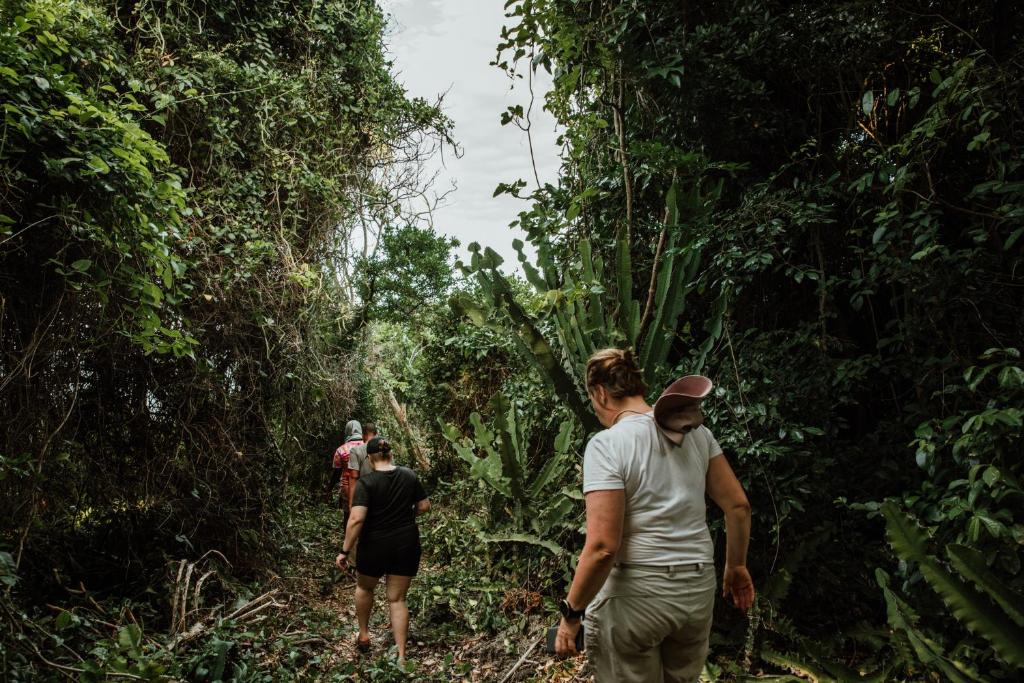
1. Guided Forest Walks
Chumbe Island is also home to a protected coral rag forest ecosystem.
This forest shelters rare wildlife, including:
• Coconut crabs
• Ader’s duiker (a rare antelope)
• Numerous bird species
• Giant land crabs
Guided forest walks allow visitors to explore this unique habitat while learning about conservation efforts.
2. Climb the Historic Lighthouse
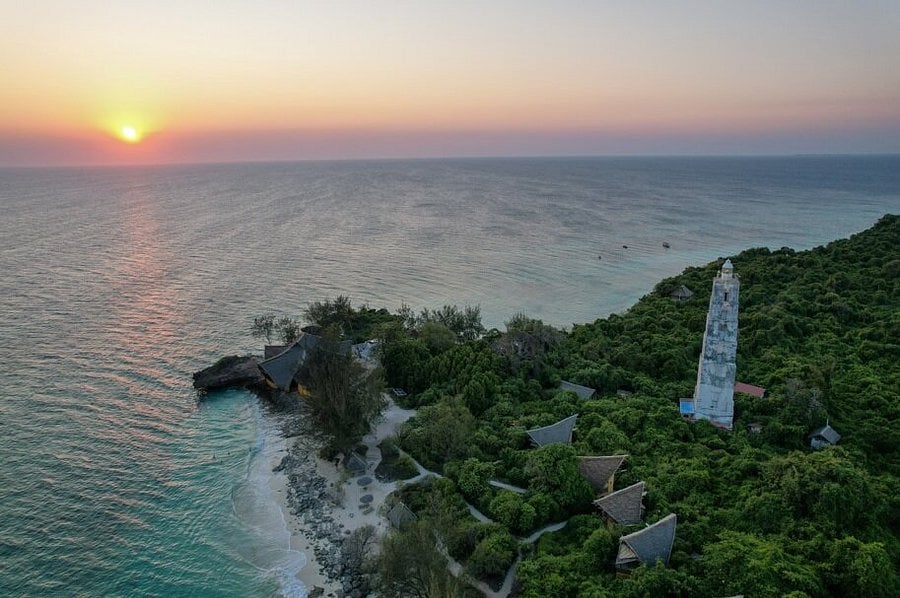
At the center of the island stands a historic lighthouse built in 1904.
Visitors can climb to the top for panoramic views of the island and the surrounding Indian Ocean.
And the sunset views?
Spectacular.
3. Beach Relaxation
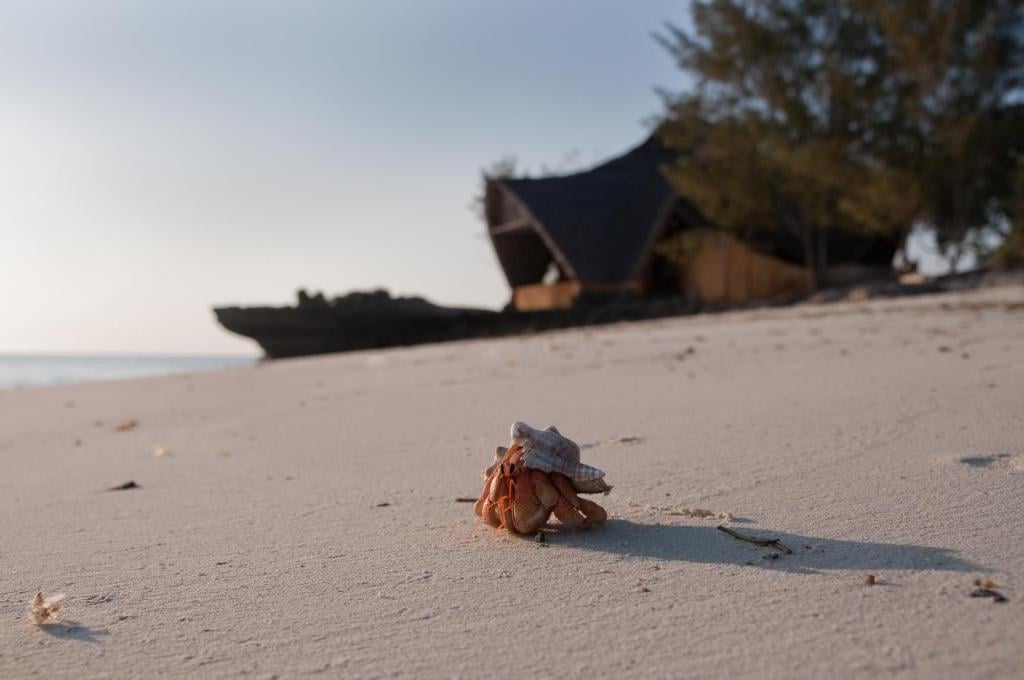
Unlike many Zanzibar beaches, Chumbe Island’s beaches are almost empty.
Why?
Because the island limits the number of visitors.
That means you may find yourself walking along the shoreline with no one else around.
And honestly…
That kind of peace is rare.
Why Chumbe Island Is One of the Most Unique Eco-Resorts in the World
Many resorts claim to be eco-friendly.
But Chumbe Island takes sustainability to another level.
Here’s why it stands out.
1. It’s a fully protected marine sanctuary
2. Tourism directly funds conservation
3. The island runs on renewable energy
4. Visitor numbers are intentionally limited
5. Environmental education is a core mission
In other words…
This isn’t just a vacation destination.
It’s a conservation success story.
Question
But is Chumbe Island worth the cost compared to traditional Zanzibar resorts?
Let’s talk about that next.
Is Chumbe Island Coral Park Worth Visiting?
For travelers seeking luxury beach resorts, Zanzibar offers numerous options.
But Chumbe Island offers something different.
Something more meaningful.
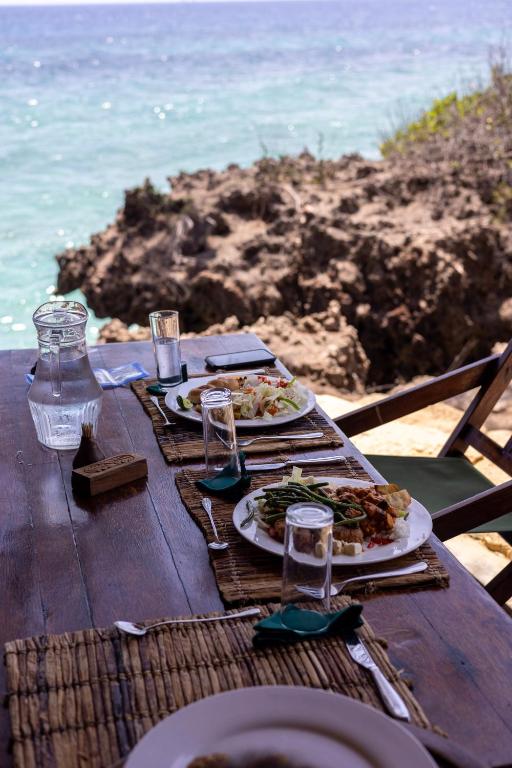
Instead of crowded beaches and busy resorts, visitors experience:
• Protected coral reefs
• Untouched beaches
• Eco-friendly accommodations
• Educational marine experiences
It’s the kind of place where you don’t just relax.
You learn.
You explore.
And you leave knowing your visit helped protect an entire ecosystem.
Final Thoughts
Chumbe Island Coral Park proves that tourism and conservation can work together.
The result is truly special.
A private island sanctuary where coral reefs thrive, forests remain protected, and visitors responsibly experience nature.
For travelers visiting Zanzibar who want something beyond a typical beach resort…
This hidden eco-island might just become the highlight of the trip.


